December Umrah Packages: Why UK Pilgrims Keep Choosing This Month
Many pilgrims plan all year to perform Umrah, so we work hard to put together packages that actually suit them.
If you have been thinking about an Umrah trip, December deserves a proper look. Plenty of people assume summer is the obvious choice, but December quietly does a lot of things well that most travellers never stop to consider. Here is an honest look at why December Umrah packages are worth your attention, along with the practical bits you need to sort out before you book from the UK.
Umrah in December: Is It Really Better Value?
The Weather Is Far Kinder Than Summer
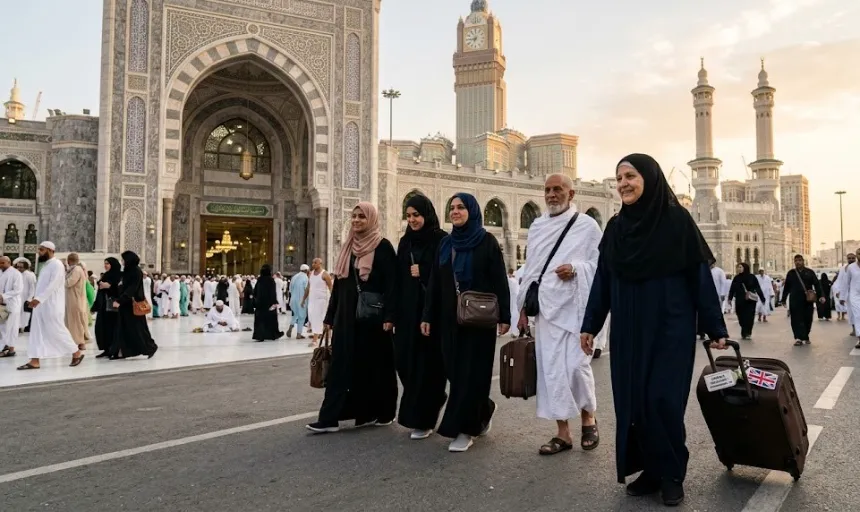
December is winter in the Hijaz, and it makes a real difference. In Makkah you can expect daytime highs of roughly 30°C on average, with nights easing back to around 20°C. Madinah runs noticeably cooler, often in the mid 20s during the day and dropping to around 12°C to 14°C after dark. Compare that to summer, when Makkah regularly pushes past 40°C, and the gap speaks for itself.
This is not only about comfort. When you are not battling brutal heat during every Tawaf, you can concentrate. You are not stopping every few minutes because your body is crying out for water, and that leaves far more of you available for worship. Do bear in mind the sun is still strong, so a cap, sunglasses and a water bottle are still sensible.
The Holy Sites Can Feel Calmer, But Timing Matters
Outside Ramadan and the Hajj period, the Haram generally feels more manageable, and early December often sits in that sweet spot. You are less likely to be shoulder to shoulder, you can move at your own pace, and there is room to pause and reflect rather than being carried along by the crowd.
One honest caveat, because it affects most UK families: the Christmas and New Year school holidays are one of the busiest windows of the year for British pilgrims. If you travel in the second half of December, expect fuller flights, fuller hotels and firmer prices. If your dates are flexible, the first two weeks usually give you the quieter experience people are hoping for.
The Money Side of a December Umrah
Where the Savings Usually Come From
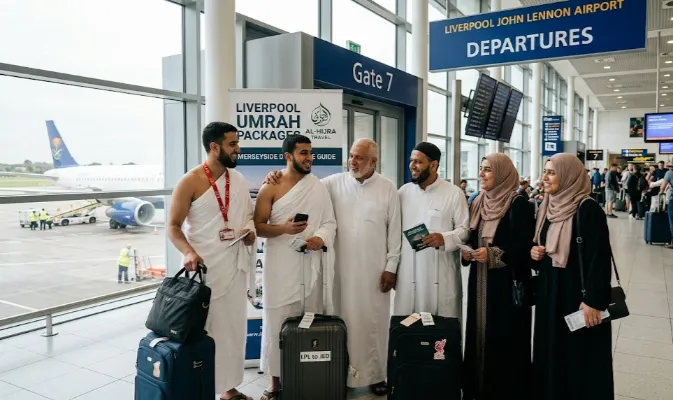
Let us be honest, cost is the main hurdle for a lot of people. Outside the peak windows, operators tend to have more availability and more competitive pricing on flights, hotels and ground transport. Ramadan and the weeks around Hajj are consistently the most expensive times to go, so an early or mid December departure often works out better on a like for like basis.
What you should not expect is a fixed saving. Airfares from the UK move constantly, and prices depend on your airport, how far ahead you book, how close to the Haram you stay and how many people are sharing a room. Always compare the total package price in £, including baggage, transfers and any visa fee, rather than the headline figure alone.
Costs at a Glance
| Aspect | Early December | Peak periods (Ramadan, Hajj season, school holidays) |
|---|---|---|
| Package prices | Often more competitive | Typically higher |
| Hotel rates | More room to negotiate | Premium rates near the Haram |
| Availability | Generally flexible | Books out early |
| Overall value | Usually strong | Depends heavily on how early you book |
You Actually Get a Choice of Hotels
Because demand is spread out, you are not picking from whatever is left. There is genuine choice across different budgets. Want to be a short walk from the Haram? In quieter weeks that is often achievable without the eye watering rates you see at peak times. For older travellers or anyone with limited mobility, being close enough to walk back for a rest between prayers is worth paying a little more for.
Health and Comfort in the Cooler Months
Lower Heat Related Risk
This matters most if you are travelling with elderly parents, young children or anyone with an existing health condition. Milder winter temperatures reduce the strain that summer heat puts on the body, which means less worry about dehydration and exhaustion and more attention on worship. It is still a physically demanding trip, so pace yourself, keep hydrated and speak to your GP or a travel clinic beforehand if you have any concerns.
Better Sleep and Recovery
Cooler nights make a bigger difference than people expect. You are not going to bed drained and struggling to settle. Proper rest matters enormously when you are keeping a full spiritual routine across several days, and waking up genuinely refreshed changes how present you feel at Fajr.
Spiritual and Social Benefits
Sharper Focus
Once the heat and the crush stop dominating your attention, something shifts. You can think. You can reflect properly, sit with the moment, and take in where you actually are. For many pilgrims that quieter headspace is the part they remember years later.
Real Conversations With Fellow Pilgrims
Smaller groups make connection easier. Instead of constantly navigating around people, you get the chance to talk. Guides have more time to answer questions and give proper explanations rather than herding a large group from one place to the next. A lot of people come home with friendships they did not expect.
Practical Advantages Worth Knowing
Easier Movement Around the Haram
With fewer pilgrims, getting around the Grand Mosque is far less stressful. You can perform Tawaf at a comfortable pace, find your bearings, and take in the scale of the place instead of concentrating solely on not losing your group. That freedom of movement makes the whole experience safer and more comfortable, particularly for families.
More Attentive Service
When operators are not managing enormous groups, service quality tends to improve. Staff have time for individual questions, guides can go into detail, and you are treated as a person rather than a booking reference. That attention counts for a lot when something goes wrong at 2am in an unfamiliar city.
Practical Benefits Summary
| Practical factor | Typical benefit in early December |
|---|---|
| Crowd levels | More manageable outside the school holidays |
| Tawaf experience | Calmer and easier to pace |
| Tour support | More personal attention |
| Overall comfort | High, thanks to the cooler weather |
What UK Pilgrims Need to Sort Out Before Booking
Requirements change from time to time, so treat this as a starting checklist and confirm the current position on GOV.UK, the FCDO travel advice pages for Saudi Arabia and the official Saudi portals before you pay for anything.
- Passport. British passports normally need at least six months validity from your date of entry into Saudi Arabia.
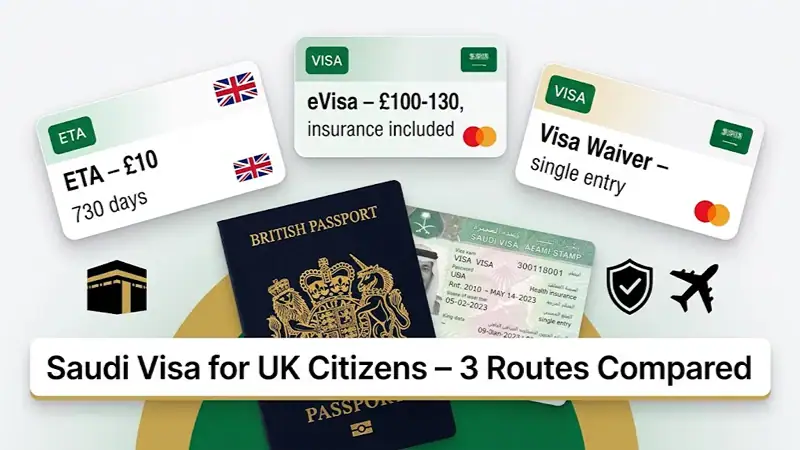
- Entry route. Saudi Arabia launched an Electronic Travel Authorisation for UK passport holders on 1 July 2026. It allows multiple entries with stays of up to 180 days across a year for purposes including tourism, and it does not cover Hajj. Dedicated Umrah visa routes also still exist, so check which one fits your trip.
- Umrah permit. Permits and time slots are booked through the official Nusuk app rather than at the mosque itself. Your operator may handle this, but confirm who is doing it.
- Vaccination. The meningococcal ACWY vaccine is required for pilgrims and should be given at least 10 days before you arrive. Check availability and cost at your GP surgery, a pharmacy or a travel clinic, and keep the certificate with your travel documents.
- ATOL protection. If your package includes flights and is sold in the UK, it should normally be ATOL protected. Ask for the ATOL certificate at the point of booking and check the company on the CAA website.
- Package Travel Regulations 2018. These give UK consumers rights when a trip is sold as a package, including protection if the organiser fails. Worth understanding before you hand over a deposit.
- Travel insurance. Some visa routes bundle medical cover and some do not. Read what is actually included and top up if there is a gap, especially for pre existing conditions.
How to Make the Most of Umrah in December
Plan your itinerary sensibly. Give Madinah proper time at the Prophet’s Mosque rather than treating it as an add on, visit the significant sites nearby, and leave space to absorb what you are seeing. Pack layers, because Madinah evenings genuinely feel cold once the sun goes down and a thin jumper or shawl saves you a lot of discomfort. Bring comfortable walking shoes that are already broken in. You will cover far more ground than you expect, and new shoes are a mistake you only make once.
Frequently Asked Questions
Is December a good month for a first Umrah?
For most first timers, yes. The weather is manageable, the pace is gentler outside the holiday peak, and that combination makes it easier to learn the rituals without feeling rushed.
Is Umrah cheaper in December than in Ramadan?
Usually, yes. Ramadan is the most in demand period of the year and prices reflect that. December pricing sits lower on average, though the Christmas and New Year weeks are an exception because so many UK families travel then.
How cold does it actually get in Madinah in December?
Nights commonly fall to around 12°C to 14°C, occasionally cooler. It is not freezing, but it is cold enough that you will want a jacket for Fajr and Isha.
How far in advance should I book?
For mid to late December, booking several months ahead is sensible because school holiday demand tightens both flights and hotels. Early December dates tend to stay available longer.
Final Thoughts
December offers a genuinely good balance for UK pilgrims. The weather is workable, the crowds are usually lighter than at peak times, package pricing is often more reasonable, and the whole trip tends to feel calmer. Get the paperwork, vaccination and ATOL check sorted early, pick your dates with the school holidays in mind, and December can be a straightforward and deeply rewarding time to perform Umrah, whether it is your first visit or your fifth.