Zamzam water holds a place of profound reverence in Islamic tradition, representing one of the most miraculous and spiritually significant elements of pilgrimage. Whether you’re preparing for the steps of Hajj or booking umrah packages, understanding the rich history and spiritual importance of Zamzam water will deepen your connection to the sacred journey. This ancient spring carries centuries of faith, devotion, and divine mercy.
The Historical Origins of Zamzam
A Timeline of Ancient Discovery
The tale of Zamzam started in the arid valleys of Mecca when Prophet Ibrahim (AS) and his wife Hajar languished in one of history’s most difficult circumstances. According to Islamic tradition, Prophet Ibrahim left his son Ismail and mother Hajar in the desert with a small ration of food and water. When their food supply was exhausted, Hajar frantically ran between two hills, calling for any trace of water that could help her save the life of her baby.
The story recounts that Hajar ran between the hills of Safa and Marwah seven times in search of help. This act of faith in Allah’s will later became part of Hajj and filters through many umrah packages that lead pilgrims through this holy reenactment.
The Miraculous Appearance
Islamic tradition states that when baby Ismail was crying and kicking the ground out of thirst, a spring of water appeared at his feet. Water emerged from underneath the sand. This wasn’t just any water – it was clean, fresh, and most importantly plentiful at just the right time. Even the word “Zamzam” is thought to have its roots in the Arabic language and is connected either to a word meaning a source of flowing water or one that means swiftly moving water.
The miraculous well became the source of life for Hajar and Ismail, and it was eventually visited by other groups who settled in the desert, which would become a city over time. What originally was divine providence ultimately led to the establishment of the city of Mecca.
The Miracle of Zamzam Water
A Blessing That Sustains
What’s unique about Zamzam water, according to those who have navigated the corridors beneath the Holy Kaaba to retrieve it, is that it never runs out. For the past 4,000 years, this spring has never stopped flowing, allowing millions of pilgrims over the centuries to partake of its water. Science has been puzzled not only by its perennial purity, but also by the fact that such water remains unsullied despite the copious quantities consumed every year. Believers regard this consistency as a direct result of Allah’s grace over the sanctity of this place.
In Islamic history, Zamzam has served as a source of healing and soul nourishment. Many a pilgrim has quenched their thirst from this holy spring and sworn to its refreshing and inspiring qualities. A lot of people comment on its taste — some say they barely detect anything with a slight sweetness, while others appreciate it for its remarkable purity and freshness. However one makes sense of it personally, the spirituality comes first.
Scientific Mystery and Faith
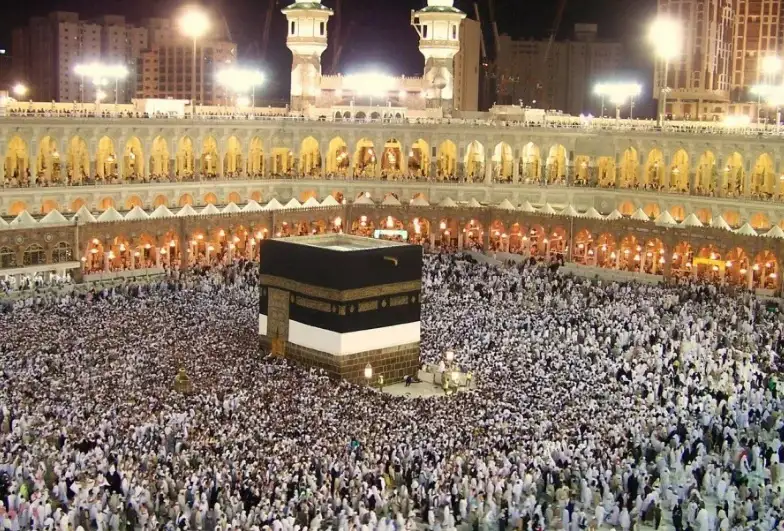
Curiously, contemporary studies of hydrology have failed to satisfactorily account for where Zamzam springs from or how it persists so starkly pure and fresh. The geological position of the well, its depth, and its water source continue to puzzle scientists. This enigma only strengthens the belief among Muslims around the world that Zamzam is a miracle — something that cannot be explained in purely natural terms. When you circumambulate the Kaaba during the steps of Hajj or while doing your Umrah, you’re participating in a tradition that predates recorded history.
Spiritual Significance in Islamic Practice
Connection to the Sacred Journey
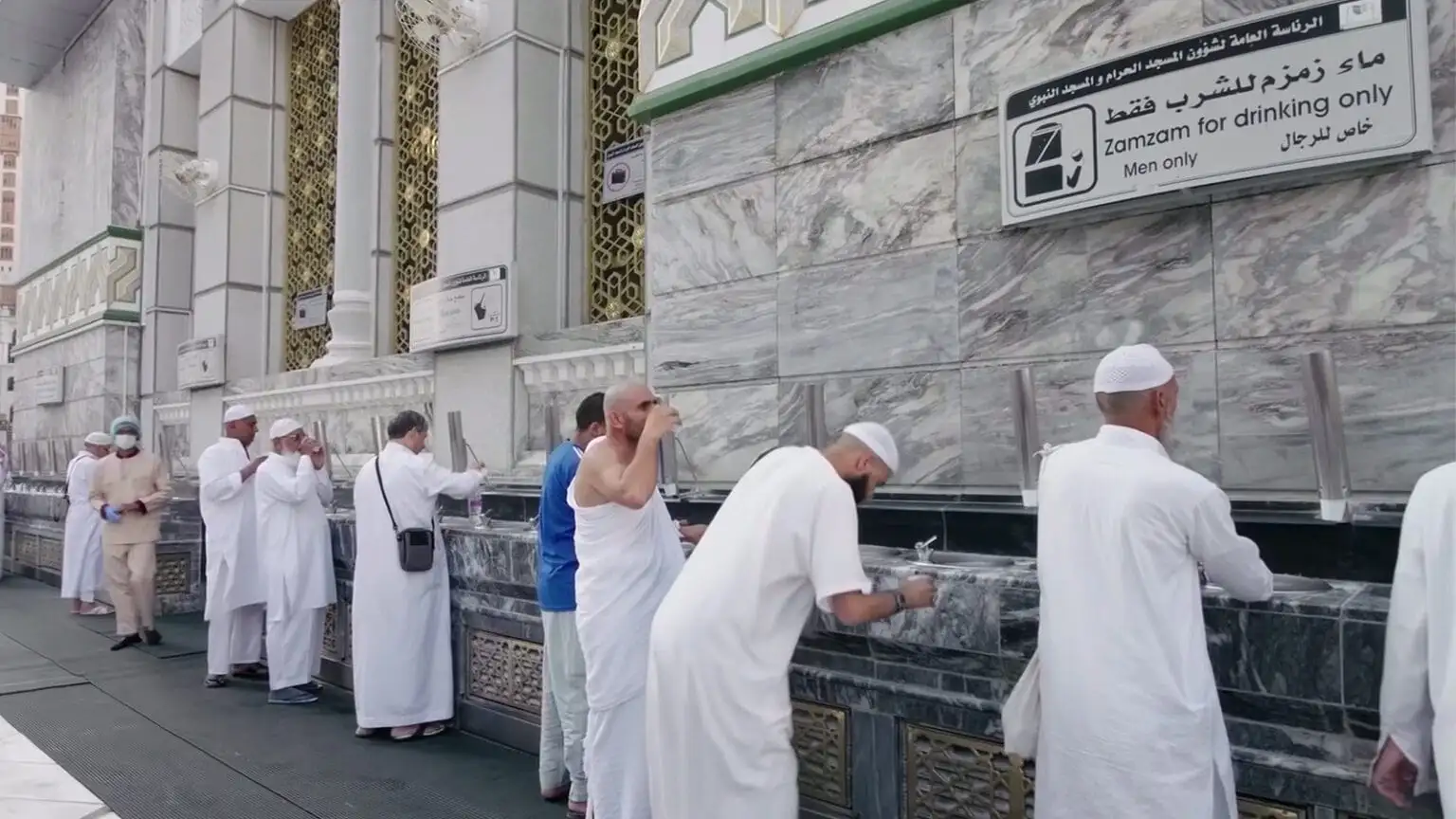
Regardless of whether pilgrims are retracing the precise footsteps of Hajj or joining organised umrah packages, consuming Zamzam water is seen as a profoundly soulful gesture. It isn’t just physical thirst that is being quenched — it is the connection with divine mercy given by Allah to Prophet Ibrahim’s family. Most pilgrims hold particular intentions in mind as they drink Zamzam, praying silently to Allah for healing, forgiveness, or guidance.
Ritual Importance in Pilgrimage
Zamzam plays a central role in Hajj and Umrah traditions. Pilgrims often wait for extended periods to drink from the well, and it is considered polite to gift Zamzam water to loved ones back home. Today, most Hajj packages and umrah packages include allocated times for pilgrims to access Zamzam water, acknowledging its irreplaceable significance in the pilgrimage journey.
The Legacy and Modern Significance
Preserving an Ancient Tradition
To this day, Zamzam water is bottled and distributed worldwide, allowing Muslims everywhere to receive its blessings. However, drinking directly from the well in Mecca remains one of the most sought-after experiences. Saudi authorities take great care to preserve the purity of Zamzam and ensure it continues to flow so that this miracle remains accessible to the faithful.
For Every Pilgrim
Whether you are deciding among Hajj packages or researching umrah packages for an upcoming spiritual journey, Zamzam water remains at the heart of the pilgrimage experience. It represents reliance upon God’s providence, the reward for unwavering faith, and the enduring miracles of Islamic history.
Conclusion
Zamzam water is not just another legend; it is a story of Islamic belief, perseverance, and the mercy of God. From Hajar’s frantic search to the present day, Zamzam has remained a living reminder that Allah’s mercy is ever abundant. When you sip from this millennia-old spring during your pilgrimage, you become part of a lineage as old as time itself — one that stretches through the hearts and minds of believers who came before you. Zamzam is not simply water; it is liquid history and a living miracle.