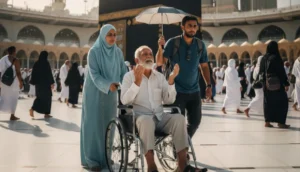
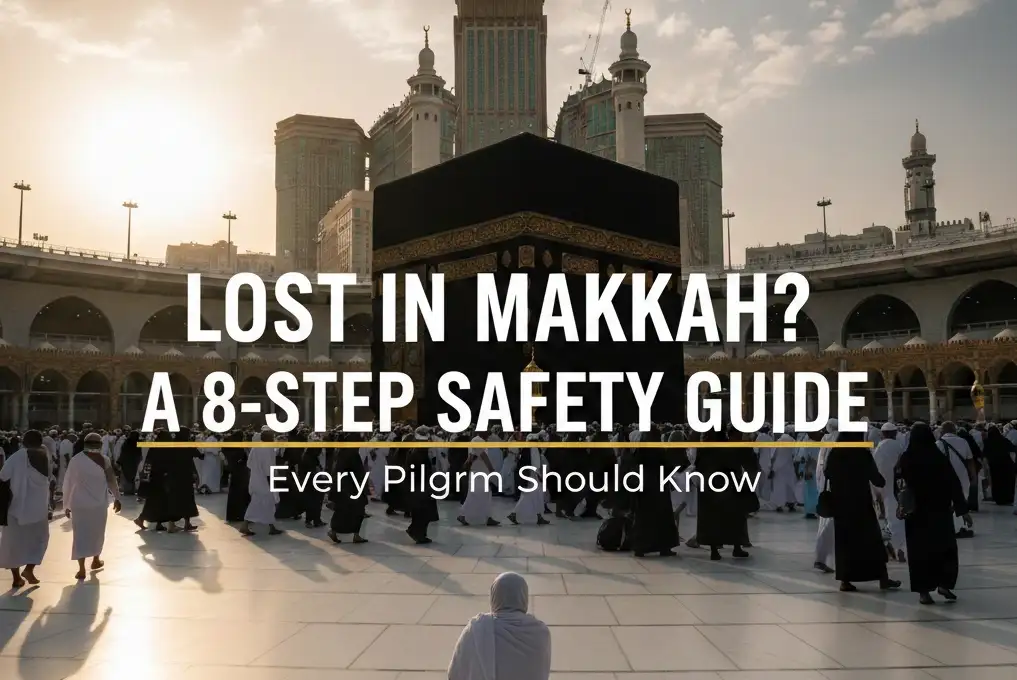
You’ll find that even first-time UK pilgrims will struggle with Makkah’s complex maze of streets. Getting lost is a regular occurrence, especially when you don’t know the city’s complicated geography and myriad neighborhoods. Knowing real-world safety lessons keeps you safe, calm, and oriented along your pilgrimage.
Step 1: Be Ready Before You Leave the UK
Research and Digital Preparation
You should download an offline map of Makkah before leaving your country. You can’t fully depend solely on mobile internet in busy spots or new areas. Google Maps offline mode lets you navigate without internet access.
You need to have your accommodation address saved in Arabic and English. Take a picture of your hotel business card or signage and establish a visual reference. This documentation is usually provided by your aqdas travel provider, but it is always good to have personal backups if you need help from taxi drivers.
You will benefit from downloading a few translation apps so you can speak to people on the ground. You should get used to calling out useful Arabic phrases, including street names and asking for directions. You cannot expect everyone to speak English; a little knowledge of Arabic is essential.
You should become part of online pilgrim communities that explain how to navigate Makkah safely. There are UK-based pilgrimage groups providing practical advice on specific neighborhoods and transportation. Most of the time, your aqdas tours and travel agency recommends guides or apps created especially for pilgrims.
Step 2: Always Carry Essential Documentation
Critical Documents and Information
It is the law, and common sense, that you should always carry your passport or national ID. You should store copies separately from originals and travel with them. Without documents, you cannot establish legal identity if stopped by authorities.
Hotel address:
The address of your accommodation should be written on paper in Arabic and English. Do not rely only on memory or your mobile device. Physical copies help when networks fail or your phone battery dies. Keep this information accessible, not buried in your bag.
You need to remember or write down your accommodation’s phone number. Practice calling it before heading out. If you are lost and don’t have your written address, this will help.
You should carry a charged mobile phone and an external battery. Communication is essential for navigation. Ensure the local SIM card from your aqdas travel agency has sufficient credit for emergency calls and messages.
Emergency Contact Information
Write down your country’s embassy or consulate details. Save these numbers in your phone and keep a paper copy. Without up-to-date contact information, help may be delayed in real emergencies.
Share your travel and accommodation details with your next of kin in the UK. Someone should know where you are staying and when you are expected to check in, in case assistance is needed.
Step 3: Define Landmarks and Route Recognition
Using the Haram as Your Core Compass
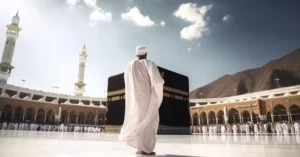
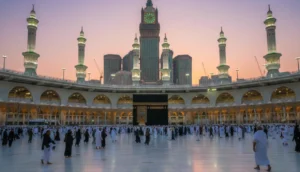
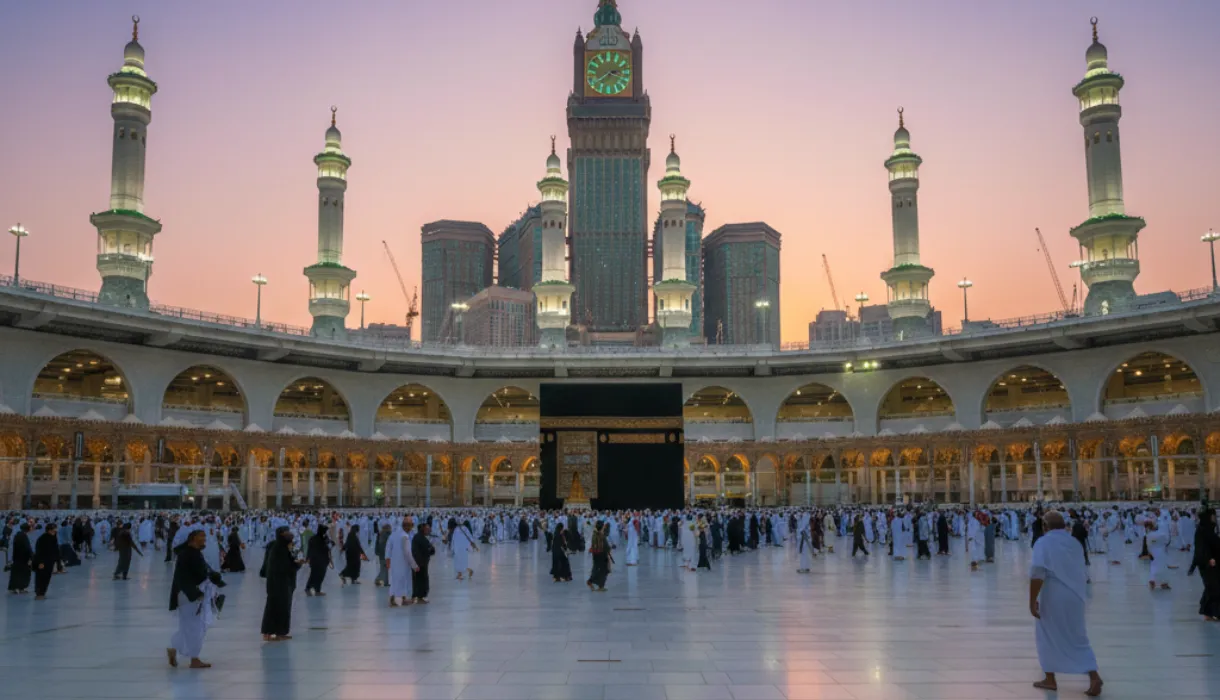
If you remember where the Haram is located, you won’t be hopelessly lost. The Grand Mosque towers over Makkah’s landscape and is visible from many districts. It should act as your main landmark.
Develop a sense of direction between your hotel and the Haram. Estimate walking distances and directions before setting out. Always know which direction you are walking relative to the Haram using clear landmarks.
Spend your first few days exploring the immediate area. Build a mental map of nearby streets gradually. Do not expect instant familiarity—give yourself time.
Identifying Distinctive Neighborhood Features
Make notes of distinctive places near your hotel, such as shops, restaurants, or architectural details. These familiar points help when you feel disoriented.
Repeat familiar routes before exploring new ones. Confidence grows by walking the same streets multiple times. Slow exploration is safer than rushing into unfamiliar areas.
Take photos of unique buildings and intersections during regular walks. Visual references help you relocate yourself later. Phone timestamps can also help track where you have been.
Step 4: Learn Public Transportation Systems
Getting Around by Taxi and Car Services
Understand how taxis operate in Makkah before you need one urgently. Metered taxis, Uber, and Careem are generally safer options than random street taxis.
Not all drivers speak English. Show your written address or phone screen clearly and confirm the destination before starting the ride.
Always agree on fares in advance if the taxi is not metered. Do not allow drivers to demand arbitrary sums after the ride.
Walking Safely
You must stay alert to traffic conditions. Traffic rules differ from the UK, and drivers may not stop for pedestrians. Cross roads carefully.
Walking at night in unfamiliar areas is riskier. Travel with companions where possible and stick to well-lit, busy streets. Avoid shortcuts through dark alleys or isolated routes.
Step 5: Deal Smartly with Locals
Requesting Assistance Appropriately
Ask shopkeepers, hotel staff, or security guards for directions. They are generally more reliable than random passers-by.
Speak clearly and calmly. Use simple language or show written addresses if communication is difficult. Calm confusion works better than panic.
Always thank people who help you. Courtesy reflects Islamic values and encourages goodwill.
Building Rapport with Hotel Staff
You should build a good relationship with hotel staff from the start. They can advise on safe areas, good restaurants, and transport options.
Share contact numbers with trusted staff members. Having someone familiar to call in an emergency is invaluable. Aqdas travel agencies often coordinate with hotel partners to support pilgrims.
Take staff warnings seriously. Their local knowledge can protect your safety.
Step 6: Manage Technology Wisely
Mobile Phone and Battery Use
Keep your phone charged at all times. Without power, GPS and maps are useless. Always carry a portable charger.
Share your live location only with trusted family members. This allows them to help if you fail to check in as planned.
Enable location services and GPS throughout your pilgrimage. Many emergency and navigation tools depend on this.
Communication During Emergencies
Ensure you have phone credit for voice calls. Data-only plans may fail during emergencies. Aqdas travel agencies recommend keeping sufficient balance.
Save emergency numbers:
-
Police: 999
-
Ambulance: 997
-
General emergency: 911
Test your emergency calling and messaging functions before you need them.
Step 7: Read Warning Signs and Trust Your Instincts
Personal Safety Awareness
Leave situations immediately if you feel unsafe. Trust your instincts and do not let politeness compromise your safety.
Avoid wearing expensive jewelry or displaying valuables. A discreet appearance reduces theft risk.
Stay alert and avoid excessive phone use while walking in unfamiliar areas.
Recognising Scams and Exploitation
Be cautious of strangers offering unsolicited help or gifts. Not all friendly gestures are genuine.
Ensure taxi meters are running before starting a ride. Reject vehicles with damaged or missing meters.
Avoid buying goods from unlicensed street sellers in isolated areas. Stick to reputable shops.
Step 8: Establish Recovery Plans for Real Emergencies
When You Do Get Lost
Stop and assess your situation calmly. Panic leads to poor decisions. Use offline maps to determine your location.
Contact your hotel immediately and provide nearby landmarks. Hotel staff can guide you accurately.
Use ride-sharing apps if walking feels unsafe. Type your destination address directly to avoid confusion.
Accessing Authorities and Emergency Services
Approach uniformed officials or recognized security personnel. Avoid self-proclaimed helpers without identification.
Carry hotel vouchers and identification. Authorities need verified details to assist you effectively.
If local help is insufficient, contact your embassy or consulate. Aqdas tours maintains connections with embassy representatives for serious emergencies.
Final Advice for Safe Movement Around the Kaaba
With proper preparation and awareness, you can move through Makkah safely and confidently. Respect the city, its culture, and its people. Most locals are warm and helpful to sincere pilgrims.
Mistakes are part of learning. Orientation improves with time. Your safety increases through preparation, local connections, and constant awareness.
Trust your preparation, stay calm, and move with dignity. A peaceful, spiritually focused pilgrimage is worth the effort, and you deserve it.