
You will find you need to plan wisely and keep your expectations realistic with regards to proper Umrah nutrition on the way. Snacking during the five daily prayers requires some skill, and efforts depend on individual needs because the body needs energy to focus during acts of worship. So whether you are receiving a best Umrah packages provider or flying out on your own, knowing how to plan your food will ensure that you have the stamina for worship and don’t sully your devotional experience.
Understanding Your Daily Prayer Times
Praying and Meal Time Windows
You have to remember the aspects of Islamic prayer times in Umrah, as they shape your entire day. The moments when you can eat are the time between Fajr and Zuhr, the time after Zuhr and before Asr begins, once Asr is over until Maghrib begins, and a short window of time after Isha. These windows disrupt the meal planning you take for granted in regular home life.
Instead, realise that prayer times change daily, especially between the winter and summer months. You cannot depend on rigid meal times as you would on a typical holiday, even when booking with Aqdas Travel Company. Your preferred Umrah packages agent provides comprehensive prayer timings to help you plan your meals better.
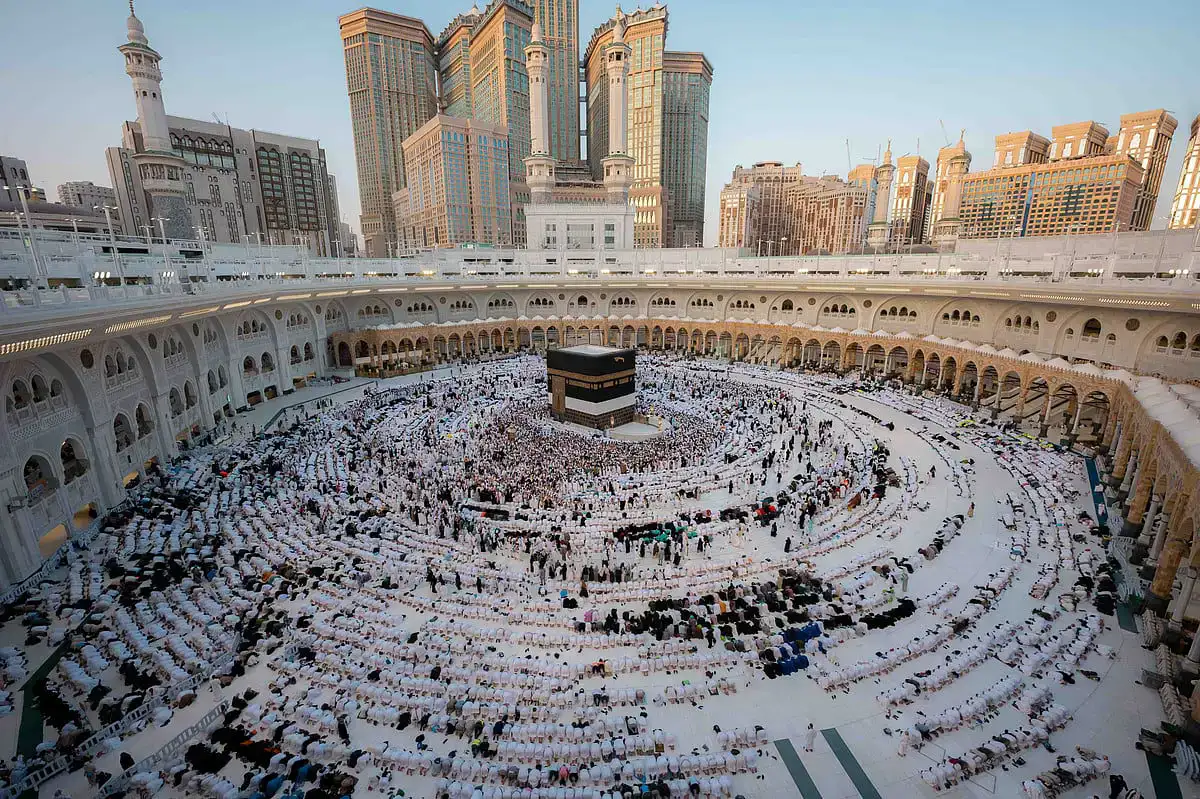
You’ll appreciate having the Haram’s prayer culture explained to you. These are not quick or brief services. Many pilgrims arrive early, offer extra prayers, and spend extended time in the Haram even after completing their obligatory prayers. Prayer occupies a significant portion of your time.
Energy Demands and Physical Activity
You can’t underestimate the physical effort required during Umrah. You will perform Tawaf multiple times, Sa’ee between Safa and Marwa, and stand in long prayer positions. You are burning far more calories than on an average day.
You need to aim for sustaining meals rather than sugary snacks. Your body needs proper nourishment to maintain energy during long sessions of worship. You will regret it if fatigue sets in after completing multiple Tawaf rounds in the afternoon.
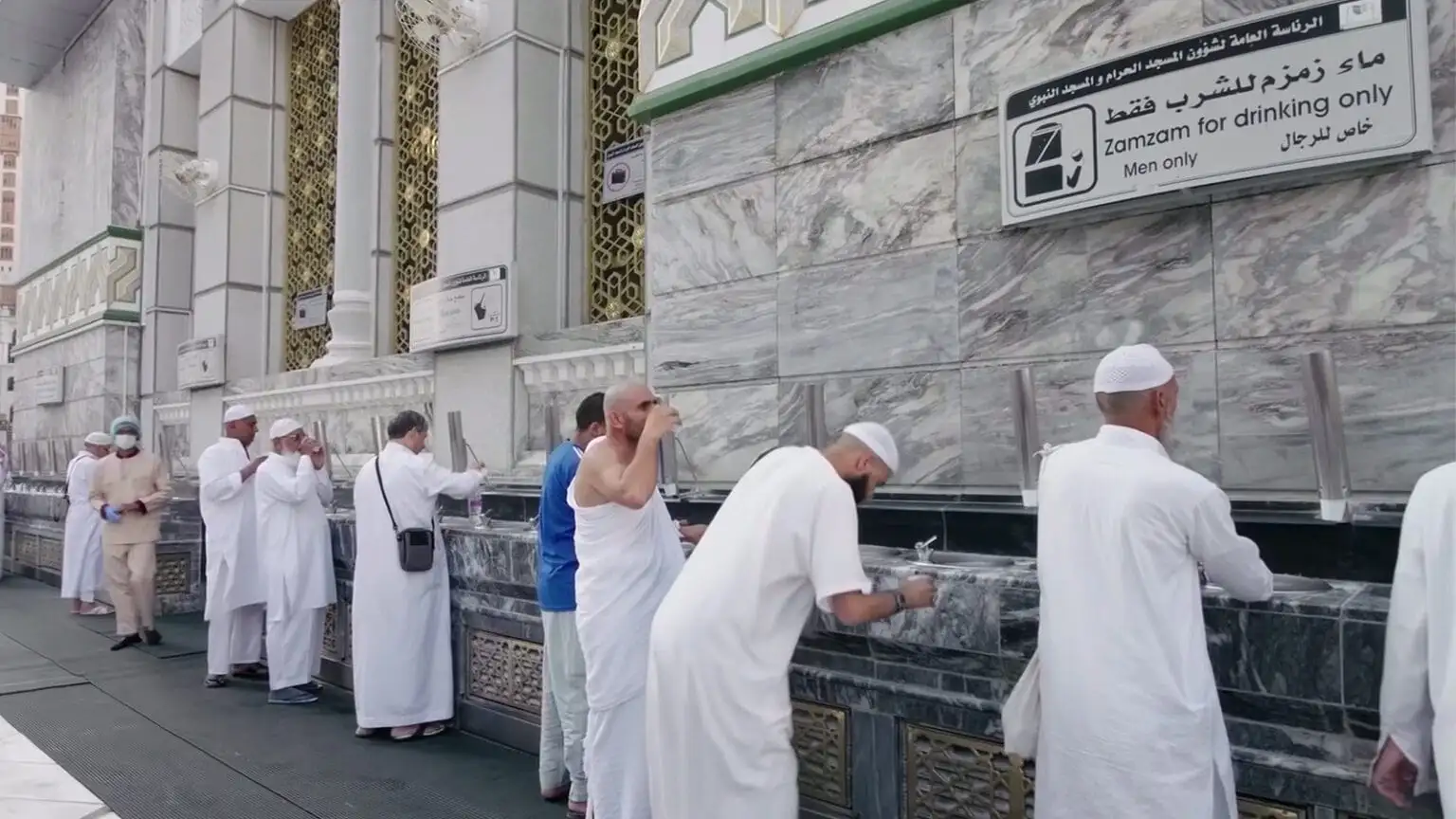
Hydration is also essential throughout your pilgrimage, especially in Saudi Arabia’s hot weather. You need constant access to water, not just at meal times. Many of the best Umrah packages offer accommodation with water dispensers and refrigerators to keep drinks and food cool.
Pre-Prayer Meal Strategies
The Fajr to Zuhr Window
The longest eating window is between Fajr (dawn) and Zuhr (midday). Immediately after Fajr prayers, you should have a large, balanced breakfast. This meal carries you through a long morning of worship and possibly one or more Tawaf sessions.
Your Fajr meal should include proteins, complex carbohydrates, and healthy fats. Relying on pastries or sugary foods gives only a short burst of energy that does not last. Your body needs sustained support to help you focus and endure hours of physical activity.
Eat in a relaxed manner before leaving for the Haram. You need time to digest before starting Tawaf or Sa’ee. While eating is allowed in Ihram, it is more practical to eat beforehand to avoid inconvenience during rituals.
How to Utilise the Time Between Zuhr and Asr
The window between Zuhr and Asr is a moderate eating opportunity and often coincides with heavy afternoon crowds. You may have a light lunch before or shortly after Zuhr. Heavy lunches often cause post-meal fatigue, which can negatively affect afternoon worship.
Choose light, fast-digesting foods. Afternoon worship may involve additional Tawaf or Sa’ee, requiring alertness and physical ease. Stomach discomfort can easily prevent you from fully engaging in the rituals.
A short rest after lunch helps your body recover. Many hotels near the Haram, especially those arranged through Aqdas Travel, are within minutes of dining facilities, saving valuable time and energy.
Strategic Hydration During Prayers
How Much Water to Drink During the Day
Hydration is critical during Umrah. You lose fluids quickly through sweat, particularly during crowded Tawaf. Your hydration level directly affects concentration during prayers and rituals.
Drink water consistently throughout the day rather than waiting until you feel thirsty. Make it a habit to drink water after each Tawaf to compensate for fluid loss. Proper hydration helps prevent headaches and fatigue during your spiritual retreat.
Avoid excessive caffeine and sugary drinks, as they contribute to dehydration. Soft drinks and energy drinks are not substitutes for water. Most quality Umrah packages provide easy access to clean drinking water.
Electrolyte Balance Considerations
Electrolyte drinks can be useful but should not replace plain water. When searching for Ramadan Umrah deals, you may find options that include electrolyte and salt replacement, especially during fasting periods.
Ensure adequate sodium intake if you are praying for long hours in hot conditions. Continuous sweating depletes minerals, and water alone may not sustain energy levels. Balanced minerals support muscle function and mental clarity.
Natural electrolyte-rich foods such as dates, bananas, yoghurt, and coconut water help maintain hydration more effectively than fluids alone.
Ramadan Umrah Specific Considerations
Hours of Fasting and Energy Supply
Ramadan Umrah presents unique challenges. You are not permitted to eat or drink from Fajr until Maghrib, making energy management significantly more important during pilgrimage.
Suhoor should be a nourishing pre-dawn meal that sustains you until Iftar. At the same time, it should allow enough rest before worship. Your body cannot cope with fasting, heat, worship, and physical exertion without solid nutritional support.
During Ramadan, reduce physical intensity where possible. Completing the same number of Tawaf or Sa’ee rounds while fasting may be unrealistic. Adjusting expectations and focusing on quality worship is both wise and necessary.
Iftar and Post-Sunset Nutrition
Iftar is the primary eating time during Ramadan Umrah. It is Sunnah to break the fast with dates and water. Avoid heavy meals immediately after fasting, as the stomach needs time to adjust.
Break the fast lightly, then eat small portions gradually. After prolonged fasting, the digestive system requires gentle reintroduction to food.
Many Ramadan Umrah packages include structured group Iftars with traditional foods and balanced nutrition. Aqdas Travel arrangements often provide organised locations for breaking fast together before Maghrib prayers.
Food Selection and Availability
What to Eat on an Umrah Trip
Choose foods that are easy to digest and provide steady energy. Focus on fruits, vegetables, lean proteins, and whole grains. Frequent fast food consumption can negatively affect both physical health and spiritual focus.
Ensure all food is halal and prepared hygienically. When eating from unfamiliar places, confirm meat sourcing and preparation methods. Reliable Umrah packages usually guarantee halal and clean meals.
Avoid trying unfamiliar foods during pilgrimage. Climate changes, schedule disruptions, and physical exertion already strain digestion, and food-related issues can interfere with worship.
Restaurant and Vendor Navigation
Food vendors are abundant around the Haram and throughout Makkah. Always observe hygiene and food safety before purchasing. Popularity alone does not guarantee cleanliness.
Communicate dietary preferences clearly when ordering. Translation apps can help reduce misunderstandings. Your Aqdas tour agent may also recommend trusted eateries.
Eat proper meals rather than constant snacking. Overeating and indigestion reduce spiritual focus. Food should support worship, not hinder it.
Practical Meal Timing Recommendations
Sample Daily Eating Schedule
Your Fajr meal should be within one hour after Fajr prayers. Breakfast should be substantial enough to support morning worship for several hours.
Lunch should be light and consumed either before or after Zuhr, ideally at least one hour before Asr to allow digestion. Heavy meals before Sa’ee or Tawaf can cause discomfort.
A light snack between Asr and Maghrib, such as dates, fruit, or yoghurt, provides energy without heaviness. Avoid large meals before evening prayers.
Your main meal should be after Maghrib and before Isha. Eating too heavily after Isha can disturb sleep quality. Most Umrah package hotels follow this natural meal pattern.
Special Circumstances and Adjustments
Prayer time variations and unexpected crowd conditions may require flexibility. If worship extends longer than planned, adjust meal timing accordingly while prioritising hydration.
Discuss meal needs with hotel staff. Many accommodations offer flexible arrangements for pilgrims. Your Umrah packages provider can also cater to food allergies, medical needs, and special dietary timing.
Managing Common Digestive Issues
Preventing Food-Related Discomfort
Even with careful planning, digestive discomfort can occur. Carry basic remedies such as antacids or digestive aids. Ignoring persistent digestive issues can undermine both health and worship.
Digestive sensitivity may result from climate changes, stress, and schedule disruption rather than food quality alone. Be patient as your body adapts.
Avoid heavy meals within four hours of bedtime. Late digestion disrupts sleep, and poor rest directly affects your ability to worship effectively the next day.
Concluding Advice for Nutritional Success
Enjoyment is not the goal; balance is. Eat when there is a genuine physical need while maintaining spiritual focus. Leading Umrah packages providers emphasise nutrition planning as a key factor in a successful pilgrimage. Whether you book through Aqdas Travel or plan independently, food choices significantly influence the quality of worship.
Good nutrition supports concentration, stamina, and emotional resilience. You return from Umrah spiritually fulfilled when you nourish both your body and your soul through mindful eating and dedicated remembrance of Allah.