You will find that the right pair of shoes can make a huge difference to your Umrah trip. In your tawaf and sa’ee, your feet take thousands of steps — a poor choice ensures that blisters hurt you enough to distract from the spirituality. Once you book luxury Umrah packages or arrange things on your own, be sure to choose the right ihram-friendly shoes for utmost comfort and ibadah.
Ihram Rules for Footwear
What Can and Cannot Be Done in Ihram
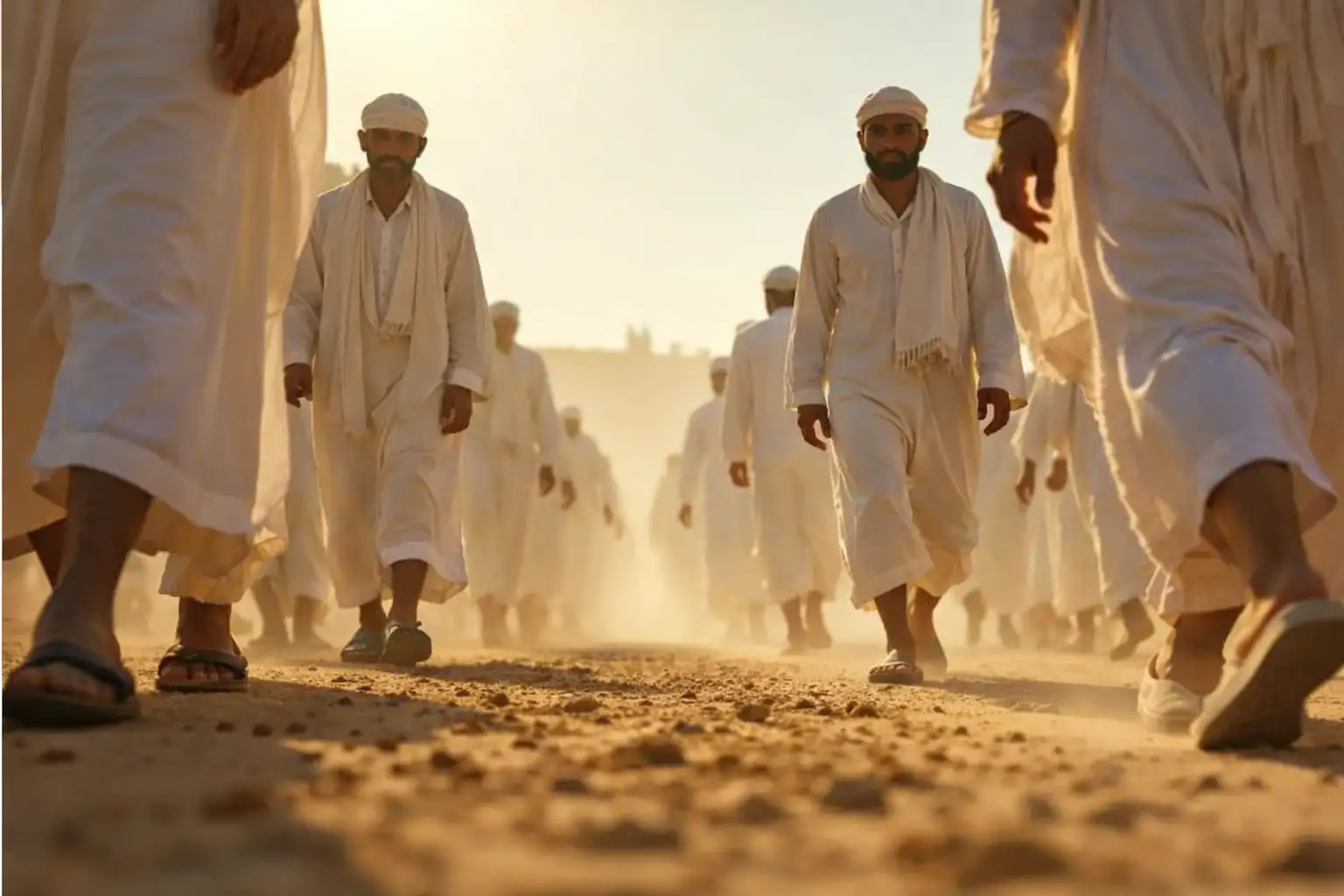
You have to know that ihram allows particular types of sandals and none at all. Your footwear must be without upper covering that encloses the feet: sandals, slip-ons, and open-backed shoes are acceptable, but trainers or dress shoes that close over the foot would break ihram.
Just so you know, men are not permitted to wear any shoes with full ankle coverage. Your slippers should clearly show the feet, because ihram represents simplicity and equality. Sisters have slightly better options, but they must still maintain appropriate coverage while remaining mindful of ihram restrictions.
Most pilgrims carry a couple of pairs of shoes to deal with different situations during the journey. Your Umrah packages agency usually advise on this, but knowing the rules yourself ensures you pack correctly.
Types of Ihram-Friendly Footwear
Sandals: The Traditional Choice
Quality leather or suede sandals are never a mistake for Umrah. Men’s Islamic footwear typically consists of simple sandals with minimal straps, closely aligned with ihram requirements. You will see most pilgrims wearing these throughout the Haram, and for good reason — they have stood the test of time.
Look for sandals with proper arch support rather than completely flat soles. Your feet will work hard during long tawaf sessions, and good arch support helps prevent pain that builds up over consecutive days.
Make sure your sandals have non-slip soles, as the marble floors inside the Haram can become slippery when wet. This safety feature becomes especially valuable during ablutions and post-ritual cleansing.
Shoes That Slip Off with Open Backs
Shoes with an open heel offer another comfortable, ihram-compliant option. These slip-ons are easy to remove quickly at prayer time without excessive bending.
Opt for slip-ons with padded insoles and breathable materials. Your feet swell throughout the day, and padding reduces discomfort caused by pressure. Fabric slip-ons often breathe better than leather in Saudi Arabia’s heat.
Avoid slip-ons with tight ankle straps, as they restrict blood flow and cause blisters. Always walk in them for extended periods before departure — ideally testing them for at least twelve hours.
Minimal Athletic Sandals
Modern athletic-style sandals designed for pilgrims are also worth considering. They offer excellent arch support while fully complying with ihram rules. Many pilgrims find they provide greater stability than traditional sandals, especially in crowded Haram walkways.
Choose models with adjustable straps to accommodate foot swelling throughout the day. Adjustable closures ease pressure without discomfort, and quick-dry materials are extremely helpful during frequent washing and ablutions.
Critical Blister Prevention Strategies
Shoe Conditioning and Break-In Period
You cannot wear brand-new shoes during Umrah — this is one of the most common mistakes made by UK pilgrims. Whatever footwear you choose must be worn in for at least four to six weeks before travel. Your feet need time to adapt to the shoe shape and material.
Wear the shoes during daily activities, gradually increasing usage time. This allows you to identify pressure points early and treat them with moleskin before packing. Always break shoes in using the same socks you plan to wear during Umrah to maintain consistency and avoid surprise friction issues.
Moisture Control and Foot Care
Keeping your feet dry throughout the pilgrimage is essential, as moisture dramatically increases blister risk. Use moisture-wicking socks made from merino wool or synthetic blends rather than cotton. Cotton traps moisture and increases friction.
Change socks frequently, especially after ablutions or long Haram sessions. Feet sweat heavily during rituals, so fresh, dry socks multiple times daily are necessary. Bringing at least ten pairs allows constant rotation.
Apply foot-specific antiperspirant before wearing shoes, and reapply after bathing for maximum effectiveness.
Cushioning and Maintenance
Apply moleskin to blister-prone areas before blisters form. Common spots include heels, the ball of the foot, and pressure points near bones. Prevention here saves significant pain later.
Pack blister care essentials in your day bag, including gel pads, second-skin dressings, and strong adhesive bandages. Treat hot spots immediately before they develop further.
Keep foot powder in your room for nightly care. It absorbs moisture and refreshes tired feet. Dust both feet and shoes daily for best results.
Sock Selection and Maintenance
Material Considerations for Comfort
Sock quality plays a major role in foot protection. Merino wool blends naturally wick sweat and resist bacteria, helping control temperature and odour.
Synthetic fibers such as polyester-nylon blends are also durable and hold up well to daily washing. Since socks are worn all day during Umrah, quality materials are essential.
Avoid cotton socks entirely — they retain moisture and significantly increase blister risk. Look for socks with reinforced heel and toe areas where friction is greatest.
Sock Thickness and Fit
Choose medium-weight socks with cushioning. Thin socks offer little protection, while overly thick socks restrict circulation.
Socks should fit perfectly without bunching, especially around the heel. Crew-length socks that rise above the ankle provide added protection against rubbing where footwear contacts the skin.
Evening Foot Care Routine
Daily Foot Maintenance
Establish a nightly foot-care routine as soon as you return to your room. Rinse your feet thoroughly with cool water and inspect for any developing blisters or sore spots.
Ensure your feet are completely dry before applying treatments or padding. Gentle foot massage improves circulation and relaxes tired muscles after long walks.
Elevate your feet above heart level for 15–20 minutes to reduce swelling and prevent fluid buildup that can contribute to blisters.
Last Thoughts on Keeping Feet Comfortable
Prepare your footwear early — this cannot be overstated. Whether you have booked all-inclusive Umrah packages or arranged everything independently, proper foot care directly impacts your comfort.
Break-in time, moisture control, and preventive padding matter more than anything else. Your feet are the foundation of your journey, so treat them with care. With the right preparation, you will complete your Umrah with comfort, focus, and grateful, blister-free feet.