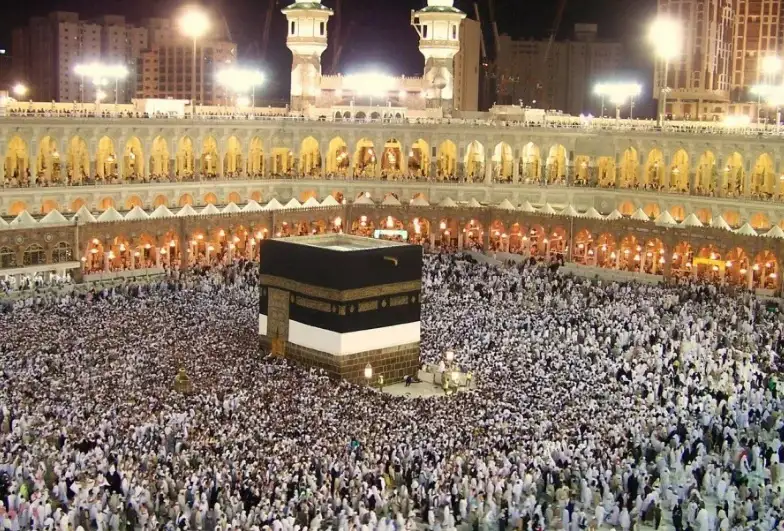
Hajj is not a one-size-fits-all pilgrimage. Islam gives pilgrims three distinct ways to perform this sacred obligation, each with different rituals and requirements. Understanding which type suits your situation helps you prepare better and fulfill this pillar with greater awareness.
The Three Types of Hajj: A Clear Overview
Islamic scholars have established three legitimate methods for performing Hajj. Each follows the fundamental rites—standing at Arafah, circling the Kaaba, walking between Safa and Marwa—but they differ in timing, intention, and additional requirements. Choosing the right type depends on your location, time available, and financial circumstances.
What Makes Each Type Different
The key difference lies in when you perform Umrah (the minor pilgrimage) and your Hajj rituals. Some pilgrims combine both in one journey. Others complete Umrah first, then perform Hajj separately. Understanding these distinctions matters because your choice affects your entire experience.
Tamattu’: The Most Popular Choice
Tamattu’ means “to enjoy or benefit.” This type allows you to perform Umrah first, then exit the sacred state (ihram), enjoy normal activities, and re-enter ihram days later for Hajj itself.
How Tamattu’ Works
You arrive in Saudi Arabia a few weeks before Hajj gets underway. You perform Umrah right away—circumambulating the Kaaba and walking between Safa and Marwa. You take off your ihram clothes and relax after you finish performing Umrah. You can visit local markets, eat freely, and prepare yourself spiritually for Hajj..
After that, on Dhul-Hijjah 8 – known as the day of Tarwiyah – you re-enter into ihram and start your religious rites. This break allows you to take a breath, regain your strength and restore your mental energy as well.
Why Pilgrims Choose Tamattu’
For most UK Muslims, Tamattu’ is the preferred option when booking Hajj packages. It makes sense for those who have to travel great distances — you’re not dashing directly from tiring flights straight into demanding Hajj rituals. You acclimate to the weather, get over your jet lag, and prepare yourself mentally as you should.
The majority of UK Hajj packages are based on Tamattu’ as it represents the middle way. You benefit from real Umrah time, real rest and a true Hajj experience without being utterly overwhelmed by one ritual after the next.
Qirān: Combining Both in One Journey
Qirān means “pairing” or “combining.” With this type, you perform both Umrah and Hajj while staying in the same sacred state (ihram) throughout your entire journey.
How Qirān Functions
You do ihram with intention to perform Umrah as well as Hajj together. You circumambulate the Kaaba and pace between Safa and Marwa for Umrah. Then you enter directly into Hajj rites when they commence on the 8th of Dhul-Hijjah without coming out of ihram.
That is, you stay in ihram — garbed only in simple cloths, unscented and without benefit of marital relations — for days on end. Between Umrah and Hajj, you do not take off your ihram garments.
Who Performs Qirān
Qirān is ideal for residents of Makkah or for pilgrims who are short on time. If you’re already in the holy city as Hajj season approaches, it makes sense to combine both. Some Muslims choose it as a spiritual challenge—remaining in ihram becomes a constant act of devotion.
Of course, remaining in continuous ihram for 7–10 days can be very taxing.
Ifrād: Hajj Only, Without Umrah
Ifrād means “to single out” or “perform alone.” With this type, you perform Hajj as your sole pilgrimage act, without performing Umrah beforehand.
Understanding Ifrād
You put on ihram as being for Hajj and only Hajj. You bypass the Umrah rites completely — no circling of the Kaaba for Umrah, no walking back and forth between Safa and Marwa for Umrah. You then carry out Hajj acts from the 8th of Dhul-Hijjah.
But when you’re actually on Hajj, you’re still walking around the Kaaba (for the Hajj rites, not Umrah). This does not mean you skip the rituals—you still perform all Hajj rites.
When Ifrād Makes Sense
Ifrād is convenient for pilgrims who will be very recent arrivals, maybe just a few days before everything happens. And if you cannot arrive early, doing Ifrād ensures that you don’t feel rushed to complete Umrah in a tight time-frame.
Some pilgrims opt for Ifrād because they would like to do more than one Umrah in the same journey. They complete Hajj as a first, and then perform Umrah during future trips, giving enough time to both rituals.
Comparing the Three Types Side-by-Side
| Type | Umrah Timing | Ihram State | Best For |
| Tamattu’ | Before Hajj, then exit ihram | Broken (exit between rituals) | Most UK pilgrims, those needing rest |
| Qirān | With Hajj, continuous ihram | Unbroken (stay in ihram throughout) | Pilgrims near Makkah, spiritual challenge |
| Ifrād | Not performed | Hajj ihram only | Late arrivals, those planning separate Umrah |
What Your Hajj Packages Should Include
Whether you choose Tamattu’, Qirān, or Ifrād, quality Hajj packages handle the logistics completely. Aqdas Travel structures packages accommodating all three types.
Hajj packages from UK providers should include:
- Flights from your local airport
- Hotels in Makkah and Arafah
- Transportation between holy sites
- Expert guides explaining each ritual
- Meals respecting your ihram state
- 24/7 support throughout
- Guidance aligned with Islamic authorities at the Ministry of Hajj
The type you choose shouldn’t complicate your booking—it should simplify it. Professional Hajj packages accommodate your chosen method without extra stress.
Choosing Your Hajj Type: Practical Considerations
Arriving early (2-3 weeks before)? Tamattu’ gives you genuine breathing room.
Arriving very late (few days before)? Ifrād prevents rushing critical rituals.
Already in the region? Qirān’s requirement to remain in continuous ihram becomes manageable.
Your travel circumstances, energy levels, and spiritual goals determine the right choice. Discuss your preferences when booking—experienced travel agencies understand these distinctions and structure your Hajj packages accordingly.
The Spiritual Essence Remains Constant
Regardless of which type you perform, the spiritual core remains identical. You stand before Allah at Arafah. You remember Prophet Ibrahim’s willingness to sacrifice. You commemorate Eid al-Adha. You perform tawaf around the Kaaba.
The rituals, the devotion, the spiritual transformation—these transcend the structural differences between types.
Begin Your Hajj Journey
Understanding Hajj types helps you prepare more consciously. Whether Tamattu’, Qirān, or Ifrād suits your situation, contact us to discuss your Hajj packages.
Our team helps you choose the right type, structure your journey properly, and guide you through every step. Hajj represents one of life’s most significant spiritual experiences. It deserves preparation, understanding, and genuine partnership.
Your Hajj journey begins with clarity. We provide exactly that.