I’ve accompanied over 500 first-time Umrah pilgrims from the UK in the past eight years, and there’s one thing I wish I could tell every single person before they leave: the ritual steps are the easiest part.
It’s everything else—the emotions, the overwhelm, the moment you first see the Kaaba, the sheer exhaustion mixed with spiritual euphoria—that nobody properly prepares you for.
Last month, a sister from Manchester called me from Makkah at 2 AM, crying because she thought she’d “ruined” her Umrah by taking a wrong turn during Tawaf. A brother from London messaged in a panic because he couldn’t find his group after Fajr prayer.
Both situations were completely normal, and both pilgrims completed beautiful Umrahs once they realized their expectations didn’t match reality.
This isn’t another generic step-by-step ritual guide. This is what actually happens on your first Umrah from the UK, told by someone who’s held countless hands through the journey.
What First Time Umrah Actually Feels Like
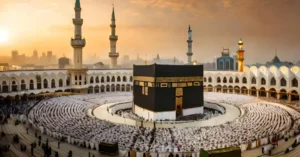
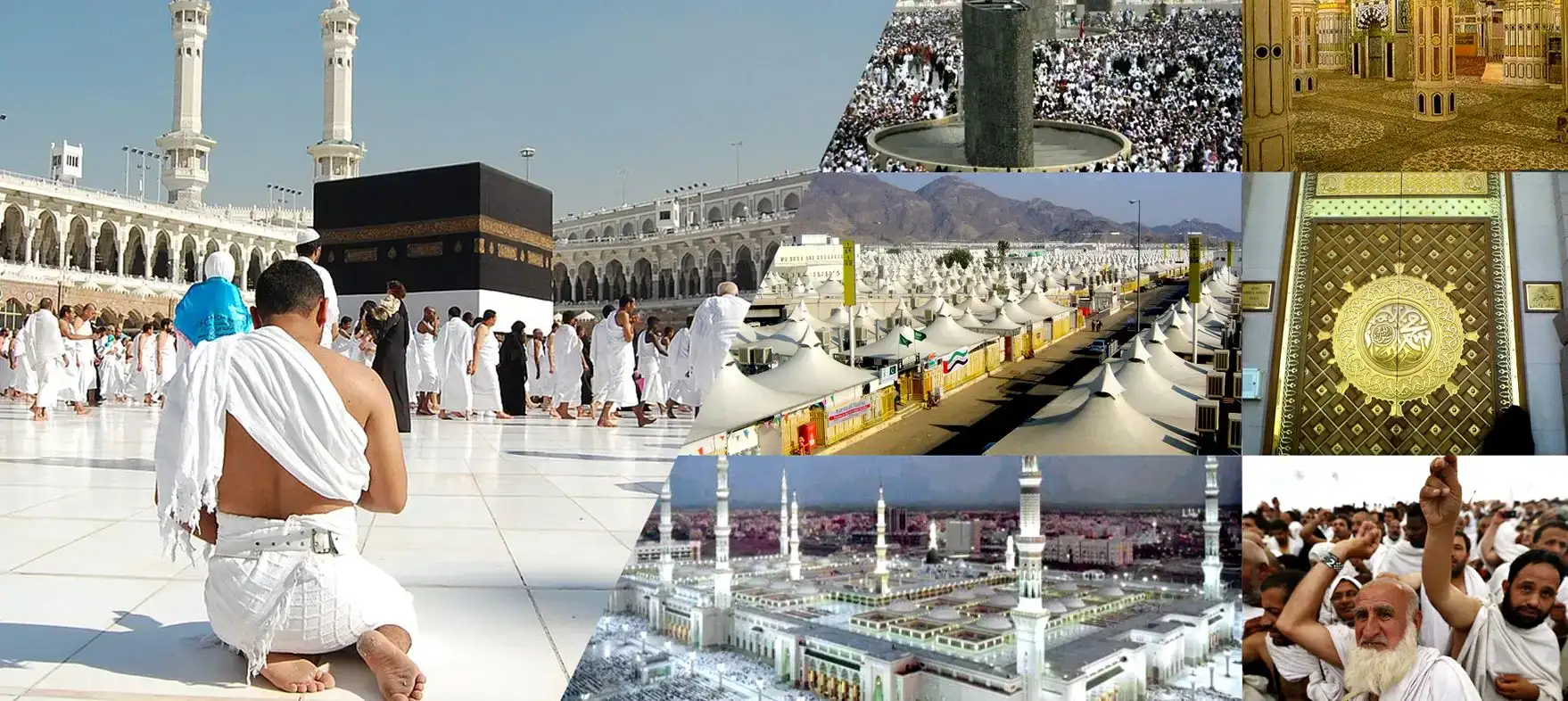
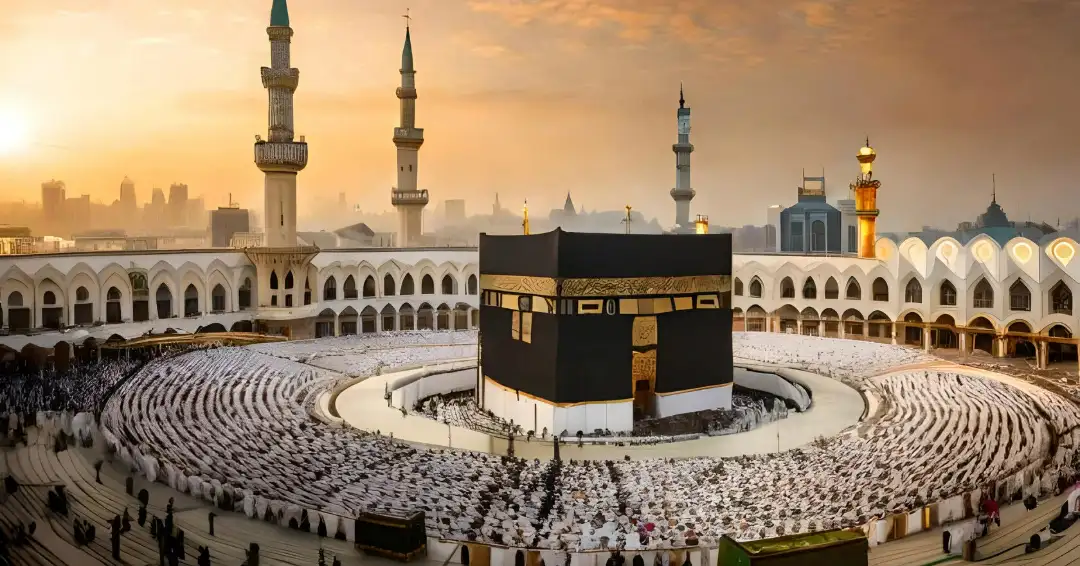
Let me be straight with you: nothing prepares you for that first glimpse of the Kaaba. You’ve seen it in photos for years, watched it on TV, maybe even dreamed about it. Then you walk through those massive doors of Masjid al-Haram, and there it is.
Your breath catches. Your eyes fill instantly. Your knees might actually buckle—I’ve caught people who literally forgot how to walk in that moment. Every single first-timer experiences this, regardless of how “prepared” they thought they were.
The spiritual intensity is real, but so is the physical reality. You’ll be jet-lagged, overwhelmed by crowds that make Oxford Street on Christmas Eve look empty, and probably questioning whether you packed the right things. This is normal. This is the journey.
The Reality Check: What You Think vs What Actually Happens
Let me give you the comparison nobody else will:
| What You Think Will Happen | What Actually Happens |
|---|---|
| “I’ll be spiritually focused 24/7” | You’ll think about your sore feet, need bathroom breaks, and wonder where lunch is |
| “I’ll cry throughout my entire Tawaf.” | You might cry, or you might be too focused on not bumping into people |
| “The rituals will feel natural.” | You’ll second-guess yourself constantly and check with your guide repeatedly |
| “I’ll feel transformed immediately.” | The transformation happens slowly, often after you return home |
| “Heat won’t bother me that much.” | UK weather hasn’t prepared you for 45°C with humidity |
| “I’ll kiss the Black Stone.” | You’ll likely just point at it from 10 meters away in the crowd |
| “I’ll spend hours in prayer.” | You’ll balance worship with practical needs like sleep and hydration |
| “My group will stay together perfectly.” | You’ll lose sight of them multiple times, and that’s okay |
This isn’t to discourage you—it’s to prepare you for a real experience, not an idealized fantasy.
Your 90-Day Countdown: When to Do What
Three Months Before Departure:
Book your package through ATOL-protected UK operators, especially if you’re traveling during school holidays or Ramadan. I’ve seen too many families scrambling for last-minute bookings and paying £200-300 extra per person. Manchester departures tend to book up faster than you’d expect during peak seasons.
Get your meningitis ACWY vaccination now. UK pharmacies (Boots, Superdrug) charge £65-70, or get it free through NHS if you qualify. You need it done at least 10 days before travel, but giving yourself buffer time prevents panic.
Start your physical preparation. Walk 30 minutes daily, gradually increasing to an hour. The Haram is massive, and you’ll walk 5-10km daily easily. British legs aren’t accustomed to this, especially in the heat.
Six Weeks Before:
Apply for your Travel Formalities. If you’re going independently with a tourist eTravel Formalities, the process takes 24-72 hours. If your package includes Travel Formalities processing, your agent handles it, but you still need to provide documents promptly. Check your passport has six months validity remaining—I cannot stress this enough.
Buy your Ihram garments (men) and test them at home. Those two white sheets are trickier than they look. Practice wrapping them, sitting down in them,and using the bathroom. Trust me on this.
Order unscented toiletries. Your favorite Lynx or Dove won’t work—fragrance is prohibited in Ihram. Get unscented soap, shampoo, deodorant, and moisturizer.
Two Weeks Before:
Finalize your packing. Create three categories: carry-on essentials, main luggage, and “nice to have but not critical.” Your carry-on should include Ihram clothes, medications, a phone charger, and copies of all documents.
Learn the basic duas for Tawaf and Sa’i. You don’t need to memorize books of supplications—simple, heartfelt duas in English work perfectly. The idea that you need specific Arabic prayers for each round is a misconception that stresses people out unnecessarily.
Inform your bank that you’re traveling to Saudi Arabia. UK debit cards getting blocked in Makkah ATMs is a classic first-timer problem.
Three Days Before:
Download offline maps and the Nusuk app. Wi-Fi in the Haram is unreliable during peak times, and you’ll want navigation that works without data.
Pack your medication in original packaging with prescriptions. UK travelers often forget this and have issues at Saudi customs.
Set realistic spiritual intentions. You’re going for purification and worship, not to become a different person overnight. The journey changes you, but gently.
The Journey: UK Airport to Miqat
Most UK Umrah flights depart from Heathrow, Manchester, or Birmingham, with Jeddah as the main arrival point. Here’s what actually happens on that flight:
You’ll board in regular clothes. About 90 minutes before landing, the crew announces it’s time to change into Ihram. The plane toilets become incredibly busy—men changing into their two white sheets, women ensuring their regular modest clothes comply with Ihram requirements (everything except face and hands covered).
The anxiety in those toilets is real. Men struggling with sheets that won’t stay wrapped. Women wondering if their outfit is acceptable. Everyone slightly panicked they’ll miss the Miqat announcement.
Then the captain announces you’re approaching the Miqat boundary. This is it. You make your intention (niyyah) for Umrah, recite the Talbiyah, and you’re in the state of Ihram. Now you’re bound by restrictions: no perfume, no cutting hair or nails, no stitched garments for men, no face covering for women.
That moment feels surreal. You’re still on a plane, but you’ve entered a sacred state.
The First 24 Hours: What Nobody Warns You About
You land in Jeddah exhausted. Immigration can take 2-3 hours during peak times. The heat hits you the moment you step outside—even at midnight, it’s warmer than a UK summer afternoon.
The bus journey to Makkah takes about an hour. Everyone’s quiet, tired, emotional. You’re in Ihram, feeling vulnerable in those simple garments, beginning to understand humility in a new way.
Then you arrive at your hotel. If you’ve booked a package close to the Haram, you might be a 5-10 minute walk. Budget packages could be 20-30 minutes. Everyone wants to go straight to the Haram despite exhaustion—this is normal.
Here’s what I tell every first-timer: rest first. Shower, pray, eat something. You’ll appreciate your first Tawaf more when you’re not delirious from jet lag.
When you do go to the Haram for the first time, go with your group or guide if possible. The Haram is overwhelming in scale. You will get lost. You will lose your shoes (they’re kept in racks outside). You will wonder how you’ll ever navigate this independently.
The Rituals Explained: Actually Doing It
Tawaf (Circling the Kaaba):
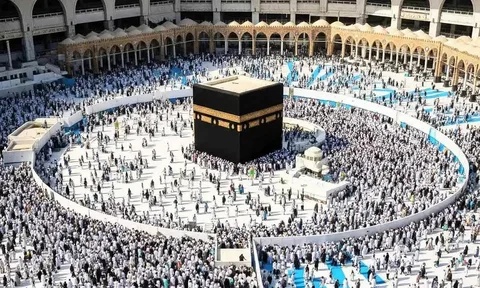
Seven circuits counterclockwise, starting from the Black Stone corner. In theory it’s simple. In practice, you’re navigating tens of thousands of people, trying to keep count, avoiding wheelchairs and wheelchairs avoiding you, and attempting to maintain spiritual focus amid chaos.
Men should expose their right shoulder for all seven circuits (Idtiba) and jog gently during the first three rounds (Raml). In the crowd, this “jogging” becomes more of a fast shuffle. Don’t stress about perfect execution—focus on completion and intention.
Your first Tawaf might take 90 minutes instead of the “typical” 40 minutes. That’s completely fine.
Sa’i (Walking Between Safa and Marwah):
Seven trips between the two hills, commemorating Hajar’s search for water. This is inside Masjid al-Haram but in an enclosed corridor. Men run between the green lights; women maintain normal pace.
This is where your UK-unaccustomed legs really feel it. By the fourth or fifth round, you’re tired. Keep going, take breaks if needed, stay hydrated. There are water stations and wheelchairs available if you need them.
Halq or Taqsir (Cutting Hair):
Men either shave completely (Halq) or trim at least an inch from all over (Taqsir). Women cut approximately a fingertip’s length.
For men, I always recommend shaving at the designated barber shops near the Haram. It’s cheap (10-20 Riyals, about £2-4), quick, and ensures you’ve completed the ritual correctly. Trying to DIY in your hotel bathroom leads to anxiety about whether you’ve done enough.
After this, your Ihram restrictions lift. You can wear normal clothes again, use perfume, and your Umrah is complete.
What to Actually Pack: UK Pilgrim Edition
Absolutely Essential:
- Passport (6+ months validity) and photocopies
- Vaccination certificates (meningitis ACWY mandatory)
- Ihram garments (men: 2-3 sets of two white towels; women: modest regular clothes work)
- Unscented toiletries (everything—soap, shampoo, deodorant, moisturizer)
- Medications in original packaging with prescriptions
- UK phone with roaming or Saudi SIM card plan
- Power bank (the Haram drains batteries fast)
- Comfortable walking shoes (you’ll walk more than a London to Birmingham distance over your trip)
- Flip-flops (for hotel and easy Haram access)
- Money belt or secure bag (crowds mean pickpockets exist)
Highly Recommended:
- Small folding umbrella (sun protection between locations)
- Refillable water bottle (staying hydrated is crucial)
- Basic first aid (paracetamol, plasters, anti-diarrheal)
- Prayer mat and beads (though not essential)
- Notebook for reflections
- Spare plastic bags (for organizing, storing shoes)
Don’t Bother Bringing:
- Excessive clothing (you’ll wear Ihram or very simple clothes most of the time)
- Heavy books (Quran apps work fine)
- Hair products (you’re literally cutting your hair at the end)
- Fancy toiletries (unscented basics are all you need)
The Money Reality: What You’ll Actually Spend
Beyond your package cost, budget for:
Daily spending in Makkah/Madinah:
- Food: £10-20/day if eating outside your hotel (many packages include breakfast only)
- Zamzam water bottles: Free from the Haram, but sealed bottles are 2-5 Riyals (£0.40-£1)
- Snacks and drinks: £5-10/day
- Barber for Halq: 10-20 Riyals (£2-4)
- Laundry: 15-30 Riyals per load (£3-6)
Shopping for family/friends:
- Dates: 20-100 Riyals per kilo (£4-20)
- Zamzam containers: 10-50 Riyals (£2-10)
- Prayer mats, beads, books: Variable, budget £30-100
- Gifts and souvenirs: Budget what feels comfortable
Communication:
- Saudi SIM card: 50-150 Riyals (£10-30) for 7-14 days with data
- International roaming: Check with your UK provider, often expensive
Total extra spending: £200-400 for a week-long trip is realistic for most UK pilgrims, excluding major shopping.
Common First-Timer Mistakes (And How to Avoid Them)
Mistake #1: Crossing Miqat Without Ihram The pilot or crew announces the Miqat boundary. If you miss this and land without having made your intention while in Ihram, you’ll need to pay a penalty (dam—sacrificing a sheep). Set multiple alarms, ask the crew, don’t rely on assumptions.
Mistake #2: Using Scented Products After Entering Ihram That hotel soap might smell nice, but if it’s scented, it violates Ihram. Bring your unscented toiletries and use only those until you complete your Umrah.
Mistake #3: Obsessing Over Perfection You’ll see people with books during Tawaf, reciting elaborate Arabic duas. If that’s not you, don’t stress. Heartfelt supplication in English means just as much. The intention matters more than perfect execution.
Mistake #4: Neglecting Physical Health Spiritual high carries you initially, but dehydration, exhaustion, and heat overwhelm catch up. Drink water constantly. Rest when tired. Eat regular meals. You can’t worship effectively if you collapse from heat stroke.
Mistake #5: Comparing Your Experience to Others Your friend cried for three hours straight during Tawaf? Good for them. You felt more focused and calm? That’s equally valid. Everyone’s spiritual journey looks different.
After Umrah: The Part Nobody Discusses
Here’s something most guides don’t tell you: returning to the UK after Umrah can feel jarring. You’ve just had this intense, focused, spiritual experience. You return to work emails, traffic on the M25, and arguments about who’s turn it is to take the bins out.
This “Umrah blues” is real. You might feel like the transformation isn’t lasting, that the spiritual high is fading. This is normal and expected.
The key is integration, not preservation. You’re not meant to maintain that intense 24/7 spiritual state back in Birmingham or Bradford. You’re meant to carry forward specific lessons, habits, and renewed intentions.
Pick one thing—just one—that you’ll maintain from your Umrah. Maybe it’s consistent Tahajjud. Maybe it’s increased charity. Maybe it’s simply a more patient attitude. Start there.
Your Next Steps: Making This Real
Step 1: Book with confidence
Choose an ATOL-protected UK operator. Trusted agents ensure your money is safe and your logistics are handled. For first-timers, package deals remove so much anxiety.
Step 2: Prepare physically
Start walking daily now. Your body will thank you when you’re on round six of Sa’i and everyone else is struggling.
Step 3: Manage expectations
You’re not going to become a perfect Muslim overnight. You’re going for forgiveness, renewal, and connection. That’s enough.
Step 4: Learn the basics, not everything
Focus on understanding the core rituals properly rather than memorizing elaborate duas. Quality over quantity.
Step 5: Connect with other first-timers
Join UK Umrah groups on social media, attend your travel agent’s pre-departure briefings, and ask questions. Everyone was a first-timer once.
The Truth About Your First Umrah from the UK
Here’s what I really want you to know: your first Umrah won’t be perfect. You’ll mess up the Ihram wrapping. You’ll lose count during Tawaf. You’ll get frustrated with crowds. You’ll question whether you’re “doing it right.”
And it will still be one of the most profound experiences of your life.
I’ve watched builders from Bradford weep like children at the sight of the Kaaba. I’ve seen corporate lawyers from London forget every worry they carried. I’ve witnessed elderly couples renew their faith after decades of routine worship.
The transformation isn’t always dramatic. Sometimes it’s quiet, settling into your heart slowly. Sometimes you don’t recognize it until months later when you react differently to a situation than you would have before.
Your first Umrah from the UK is the beginning of something, not the completion of it. You’re joining millions of Muslims across history who’ve made this journey—imperfect, overwhelmed, sincere.
Pack your bags. Make your intention. Trust the process. May Allah make your journey easy and accept your Umrah.