I’ve spent the past decade helping British Muslims plan their Umrah journeys, and if there’s one thing I’ve learned, it’s this: misconceptions are the biggest barrier standing between people and this transformative experience.
Just last month, a sister from Birmingham told me she’d been delaying her Umrah for three years because she thought she needed to be “spiritually perfect” first. Another brother from Manchester believed he’d need to save £5,000 minimum. Both were wrong, and both finally made the journey after we had an honest conversation about what Umrah actually requires.
Let me clear up the myths that might be holding you back.
The “Perfect Muslim” Myth: You Must Be Sinless First
Here’s what I hear constantly: “I’m not ready yet. I need to sort my prayers out first,” or “I’ve made too many mistakes to stand in front of the Kaaba.”
The reality? Umrah itself is the purification you’re looking for. The Prophet Muhammad (peace be upon him) said that Umrah expiates the sins committed between it and the next. Think about that for a moment. Allah is inviting you to come and be cleansed, not asking you to cleanse yourself before you’re worthy of the invitation.
I’ve watched hardened businessmen weep during Tawaf, young people who barely prayed return with transformed hearts, and skeptics discover faith they didn’t know they had. The journey changes you; that’s precisely the point.
Misconception About Cost: Only Wealthy People Can Afford Umrah
Let’s talk numbers, because this is where a lot of fear comes from.
In 2026, entry-level ATOL-protected Umrah packages from the UK start at around £499 for ground arrangements and £675-£750 for all-inclusive packages with flights. Yes, you can perform Umrah for less than the cost of a summer holiday to Spain.
I’ve arranged packages for single mothers on benefits, students working part-time, and families who thought they’d never afford it. Here’s what most people don’t realize: the summer months (June-August) and post-Hajj period offer significantly cheaper rates.
December might cost you £1,199, but travel in July, and you’re looking at £675 for the same 7-night package.
The financial planning isn’t about being wealthy; it’s about being strategic. I’ve seen families save £20 a week and have enough within a year. Start a dedicated Umrah fund, even if it’s just small amounts. Allah has a way of making provisions appear when the intention is sincere.
The Black Stone Pressure: Thinking It’s Obligatory to Kiss It
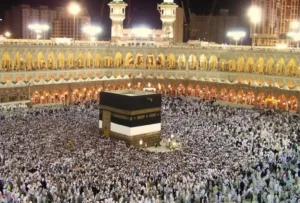
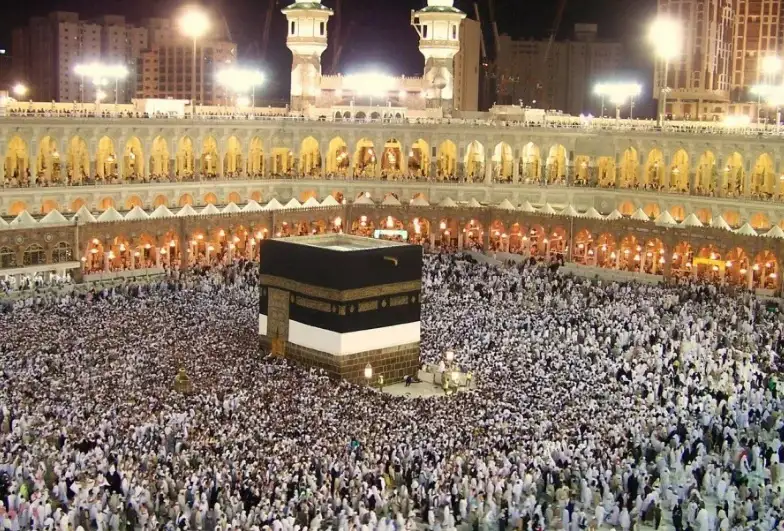
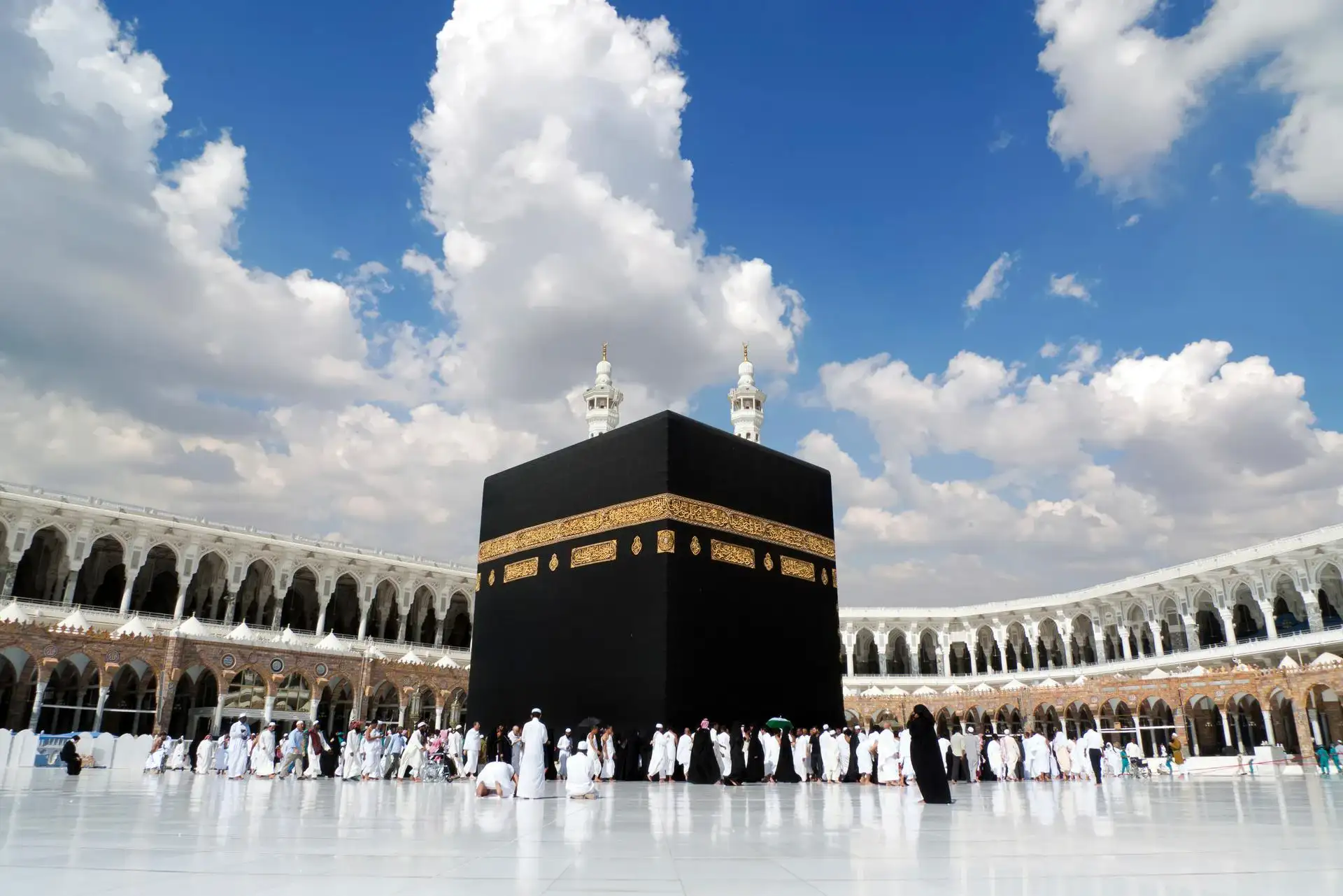
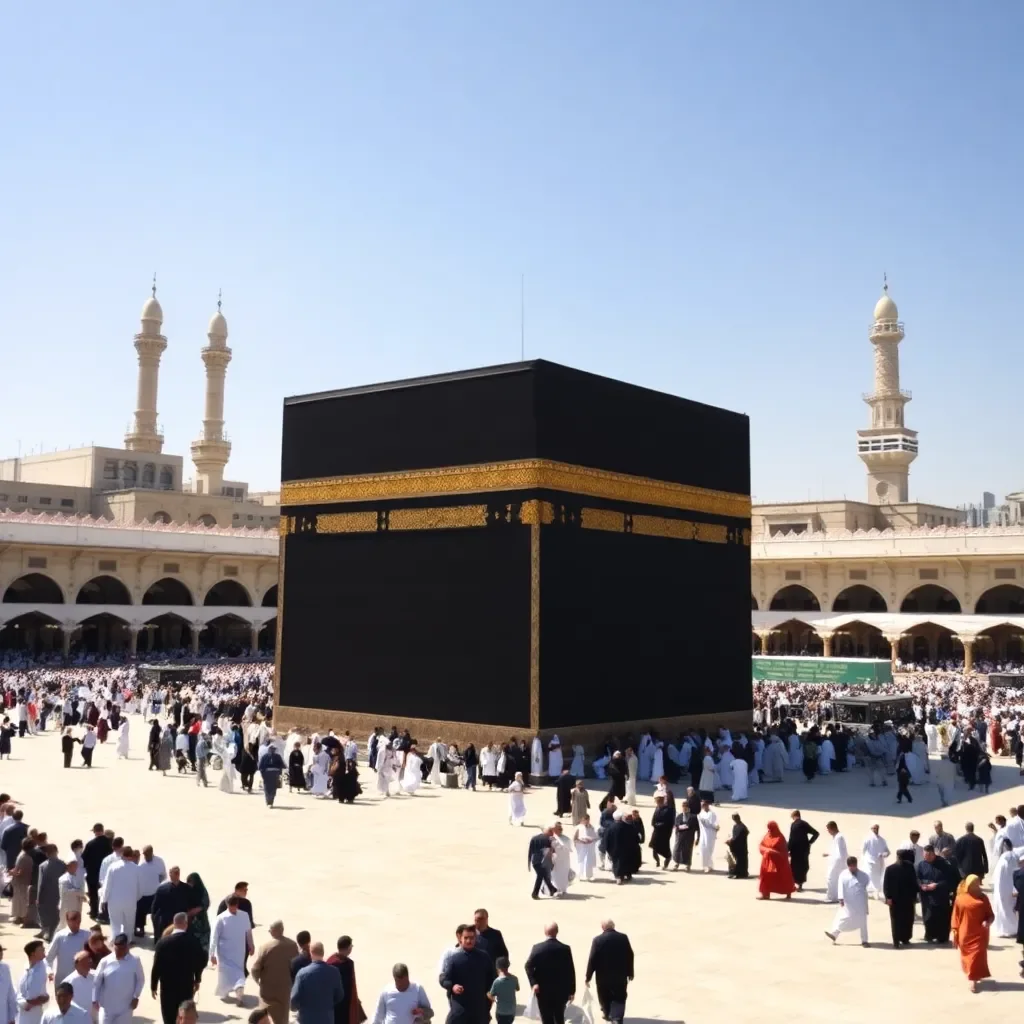
Walk into the Haram during peak times, and you’ll see crowds literally fighting to reach Hajr al-Aswad (the Black Stone). I’ve watched elderly pilgrims get injured in the crush, all because they believe kissing the stone is mandatory.
It’s not. The Prophet (PBUH) kissed it, yes, but he also made it clear that pointing toward it from a distance is perfectly acceptable when there’s a crowd. In my twelve years of accompanying pilgrims, I’ve seen more spirituality in the calm Tawaf of someone who stayed at a safe distance than in the anxious scramble to touch the stone.
The blessing isn’t in the physical touch. It’s in following the Sunnah appropriately and maintaining the dignity and safety of your worship.
Specific Duas for Each Round: The Book Myth
Somewhere along the line, someone started selling dua books with “required” prayers for each of the seven rounds of Tawaf. I still see pilgrims clutching these books, desperately trying to finish the prescribed prayer before the next round begins, stress written all over their faces.
There are no obligatory specific duas for Tawaf. None. You can make dua in English, Urdu, Arabic, or any language. You can ask for anything your heart desires. The point is your personal connection with Allah, not reciting someone else’s pre-written script.
I tell my groups: talk to Allah like you’d talk to someone who loves you unconditionally, because that’s exactly who He is. The most powerful duas I’ve witnessed weren’t from books; they were raw, personal conversations between a servant and their Creator.
Touching the Kaaba: Thinking Physical Contact Brings Special Blessings
This one breaks my heart because it’s led to so much inappropriate behavior. I’ve seen people wiping their hands on the Kaaba’s cloth (Kiswa), pressing their bodies against it, or even trying to take pieces of it as “blessed items.”
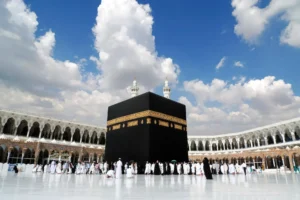
The Kaaba’s sanctity doesn’t transfer through physical touch like some sort of spiritual battery. The blessing comes from following the Sunnah: performing Tawaf with humility, making sincere dua, and conducting yourself with the respect befitting the House of Allah.
If you get the chance to touch it during a quiet moment, alhamdulillah. If you don’t, you’ve lost nothing essential to your worship.
The Mahram Requirement: Women’s Access Confusion
This topic deserves careful discussion. Traditional scholarship generally recommended that women have a mahram (male guardian) for travel. However, the contemporary reality is more nuanced, and scholarly opinions have evolved, particularly regarding organized group travel.
In my experience working with British Muslim women, many perform Umrah safely in structured group settings without a mahram. The key is traveling with a reputable, ATOL-protected operator who provides proper supervision and support. That said, this remains a matter of scholarly debate, and I always advise checking with a trusted scholar for personal guidance.
What I can tell you is that Umrah shouldn’t be financially or logistically impossible for women. Whether with family or in guided groups, there are halal pathways that honor both the spirit of the law and the dignity of female pilgrims.
One-Time-Only Belief: Thinking Umrah Is Once in a Lifetime
Unlike Hajj, which is obligatory once for those who are able, Umrah can be performed multiple times. I’ve had clients return five, ten, even fifteen times. Each journey brings different lessons, different emotional states, and different growth.
Some of my most moving conversations have been with repeat pilgrims who tell me that their first Umrah was about awe and overwhelm, their second about deeper connection, their third about bringing family, and their fourth about service to other pilgrims. Each layer revealed something new.
If Allah grants you the means and opportunity to return, consider it an invitation rather than an indulgence.
The 40 Nawafil Myth: Madinah Prayer Misconceptions
Many pilgrims arrive in Madinah believing they must pray 40 voluntary prayers (nawafil) in the Prophet’s Mosque. While spending time in prayer at Masjid an-Nabawi is deeply rewarding, there’s no Islamic requirement to complete exactly 40 nawafil.
This myth often leads to pilgrims rushing prayers, checking off numbers rather than connecting spiritually. I’ve watched people literally counting on their fingers mid-salah, more focused on hitting a quota than experiencing the profound blessing of standing in one of the earth’s most sacred spaces.
Pray as much as your heart desires and your schedule allows, but don’t treat it like a religious checklist. The goal is quality and presence, not quantity and anxiety.
What Umrah Actually Requires: The Truth
After breaking down what Umrah isn’t, let me tell you what it is: a sincere intention, basic physical ability, financial means (which can be quite modest), and the courage to take the first step.
From the UK, you need a valid passport, an Umrah Travel Formalities (usually processed through your travel agent), and your package booking. The Saudi government now requires all bookings through the Nusuk platform or approved agents who use it. This has actually made the process more transparent and standardized.
The rituals themselves are straightforward: assume Ihram, perform Tawaf (seven circuits around the Kaaba), pray two rakats, perform Sa’i (walking between Safa and Marwah), and cut or shave your hair. The entire ritual can be completed in a few hours, though most people take their time, soaking in the spiritual atmosphere.
Your Umrah Roadmap: Practical Next Steps
Step 1: Set Your Timeline. Decide when you want to go. Remember: summer and post-Hajj months (Muharram, Safar, Rabi al-Awwal) offer the best value. School holidays work well for families despite higher prices.
Step 2: Start Your Umrah Fun.d Even £20 weekly gets you to £1,040 within a year. Many UK Muslims find that setting up a standing order to a separate savings account helps reduce the temptation to spend the money elsewhere.
Step 3: Choose a Reliable ATOL-Protected Agent. This is non-negotiable. ATOL protection ensures your money is safe if something goes wrong with the tour operator. Always verify the ATOL number and ensure everything you’ve booked appears on your ATOL certificate. Trusted UK operators specializing in Umrah travel can guide you through every step of the process, from Travel Formalities applications to accommodation selection.
Step 4: Prepare Spiritually, Not Perfectly. Learn the basic rituals, but don’t obsess over perfection. Your intention matters more than flawless execution. Focus on what you want to ask Allah, what you want to leave behind, and who you want to become.
Step 5: Book 3-4 Months in Advance. This gives you the best selection of flights and hotels without the last-minute price surge. Ramadan packages require even earlier booking.
Misconceptions vs Reality: Quick Reference
| Topic | Common Misconception | The Reality |
| Spiritual Readiness | You must be “sinless” or perfect before going. | Umrah is a means of purification and seeking forgiveness for past sins. |
| Cost & Budget | It requires a minimum of £3,000–£5,000. | Packages can start from £499–£750, depending on the season and luxury level. |
| The Black Stone | You must kiss the Black Stone for it to count. | Pointing toward it (Istilam) is equally valid and often safer in crowds. |
| Supplications | Specific, memorized Duas are required for each circuit. | Any sincere Dua in any language is fully accepted. |
| Touching the Kaaba | Physical contact brings special/magical blessings. | Following the Sunnah (Prophetic way) correctly is the source of blessing. |
| Frequency | You are only allowed to perform it once in a lifetime. | You can perform Umrah multiple times if you have the means. |
| Madinah Prayers | Completing 40 prayers in the Prophet’s Mosque is mandatory. | There is no specific number of prayers required to “complete” the visit. |
| Mahram (for Women) | Women absolutely must be accompanied by a male relative. | Scholarly opinions vary; many organized groups provide valid options for women. |
Questions British Pilgrims Ask Me
How long does Umrah take?
The actual rituals take 3-5 hours. Most UK packages are 7-14 days, typically split between Makkah and Madinah (e.g., 3 nights Makkah, 4 nights Madinah for a week-long trip).
What’s the best time to go from the UK?
For weather: November-February. For budget: June-August or post-Hajj months. For reward: Ramadan (though prices are highest). For crowds: avoid school holidays and Ramadan if you prefer quieter worship.
Do I need to speak Arabic?
Absolutely not. Many staff in Saudi Arabia speak English, and you’ll be surrounded by other English-speaking pilgrims. The essential duas and prayers can be learned phonetically.
Can I change my Ihram clothes?
Yes! This is a common misconception. Changing your Ihram garments doesn’t break your state of Ihram. Feel free to wash and change them as needed.
What if I make a mistake during the rituals?
Minor mistakes don’t invalidate your Umrah. Serious omissions may require compensation (usually sacrificing an animal), but these situations are rare. Most reputable tour operators provide guides who help you avoid major errors.
Is travel insurance necessary?
While not legally required, I strongly recommend it. Medical emergencies happen, flights get delayed, and travel insurance provides crucial protection. Ensure it covers the Middle East and pre-existing conditions if relevant.
How do I choose between hotels near or far from Haram?
Proximity costs more but saves time and energy, especially for elderly pilgrims or those with mobility issues. Younger, fitter pilgrims often choose farther hotels to save money. Factor in the Saudi heat when deciding.